Unraveling Cross-Border Cyber Fraud: A Digital Forensics and Blockchain Perspective
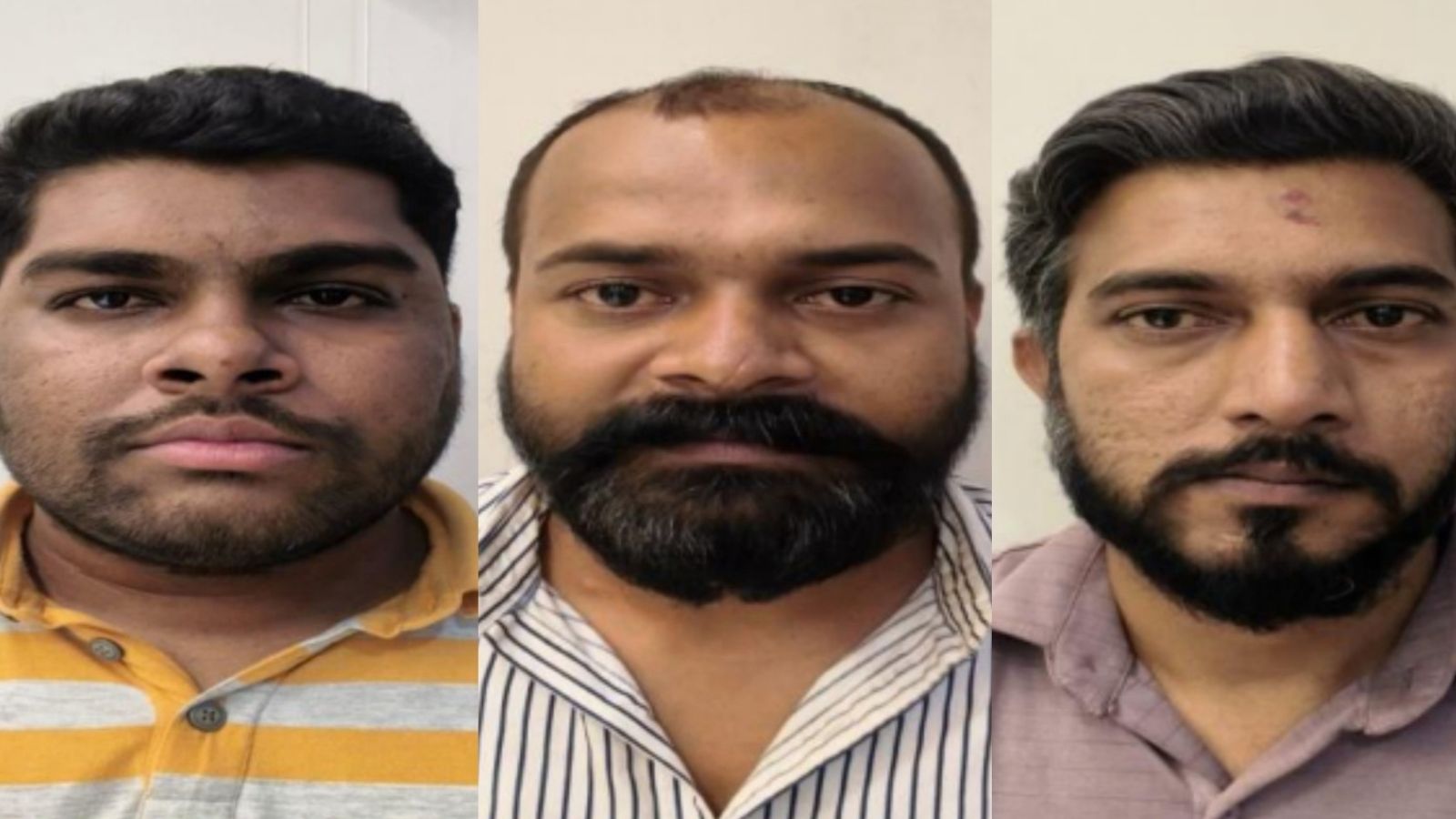
The recent uncovering of an extensive online trading and investment fraud by Bengaluru police serves as a stark reminder of the evolving complexity and global reach of cybercrime. This case, which involved significant financial losses for victims and an intricate web of operations spanning multiple jurisdictions, underscores the critical role of advanced digital forensics, blockchain investigation, and open-source intelligence (OSINT) in modern law enforcement and private investigations.
The Anatomy of a Sophisticated Scam
The fraud began with a complaint from a city resident who lost nearly Rs 94 lakh to a deceptive online investment scheme. What investigators soon revealed was a highly organized operation leveraging over 500 "mule" bank accounts. These accounts, often current, corporate, or trust accounts, were procured from individuals lured by commissions of Rs 1.5 to 2 lakh. The fraudsters operated from temporary hubs, such as hotels, where they installed malicious applications—including a fake app named "ZNPAY" and SMS-forwarding APKs—on the mule account holders' phones. These apps cunningly intercepted banking OTPs and SMS alerts, granting the criminals remote access and control over the accounts.
From a digital forensics standpoint, this modus operandi highlights a multi-layered attack vector. It combines social engineering to recruit mule account holders with sophisticated technical exploitation through custom-built malware. Analyzing these fraudulent applications is crucial for understanding their functionalities, identifying command-and-control servers, and potentially uncovering other victims or associated infrastructure. Such analysis often requires reverse engineering of the APK files to extract critical forensic artifacts.
Unraveling the Digital Footprint
The investigation rapidly became a testament to the power of digital forensics. Initial leads, such as tracing a mobile phone to a specific location, provided the crucial starting point. Subsequent technical analysis of devices belonging to arrested suspects revealed a vast network of associates and partners. Communication apps like Telegram, Botim, and WhatsApp played a significant role in the criminals' coordination, and forensic examination of these platforms yielded IP addresses linking the network to Kolkata, Hong Kong, and California.
This aspect of the case underscores the necessity of comprehensive network forensics and mobile device forensics. Tracing IP addresses, while challenging due to VPNs and proxy services, can provide invaluable geographical and infrastructural intelligence. However, it requires meticulous verification with service providers and often involves international cooperation, demonstrating the borderless nature of cybercrime and the imperative for cross-jurisdictional investigative capabilities. The ability to forensically extract and analyze data from various communication platforms is paramount for reconstructing timelines, identifying co-conspirators, and understanding the chain of command within such criminal enterprises.
Following the Crypto Trail
A pivotal element in this investigation was the discovery that fraud proceeds were ultimately funneled into a Binance crypto wallet. This detail is particularly significant for blockchain investigation experts like Agam Setyono. While cryptocurrencies are often perceived as anonymous, the reality is that blockchain transactions are immutable and publicly recorded.
Tracing funds through a crypto exchange like Binance involves sophisticated blockchain analysis techniques. This includes identifying transaction hashes, analyzing wallet addresses, and potentially de-anonymizing entities through on-chain and off-chain intelligence. Even when funds are moved through multiple wallets or mixed using privacy-enhancing services, specialized tools and expertise can often follow the money trail. This capability is indispensable for asset recovery and proving illicit financial flows, providing crucial evidence for prosecution and demonstrating potential money laundering activities.
The Broader Implications for Investigations
This Bengaluru case illustrates the convergence of various investigative disciplines required to combat modern cyber fraud. Beyond digital forensics and blockchain analysis, OSINT would have been vital in mapping the extensive network of named associates and untraced individuals. Publicly available information, social media profiles, and other online data points can help connect individuals, identify roles, and build a comprehensive picture of the criminal enterprise. Furthermore, the use of over 500 mule accounts points directly to sophisticated money laundering operations, often with tax evasion implications, requiring financial forensics expertise to untangle the complex flow of funds.
The evolving landscape of cybercrime demands a proactive and multi-faceted approach. Investigators must possess deep technical knowledge in digital forensics, be adept at blockchain analysis, and leverage OSINT methodologies to effectively identify, trace, and apprehend perpetrators who exploit digital infrastructures for illicit gains.
Need expert assistance with digital forensics, blockchain investigation, or OSINT? Agam Setyono provides professional consultation services. Get in touch for a confidential discussion.