Japan's Landmark Crypto Reclassification: Setting a Global Standard for Digital Asset Regulation
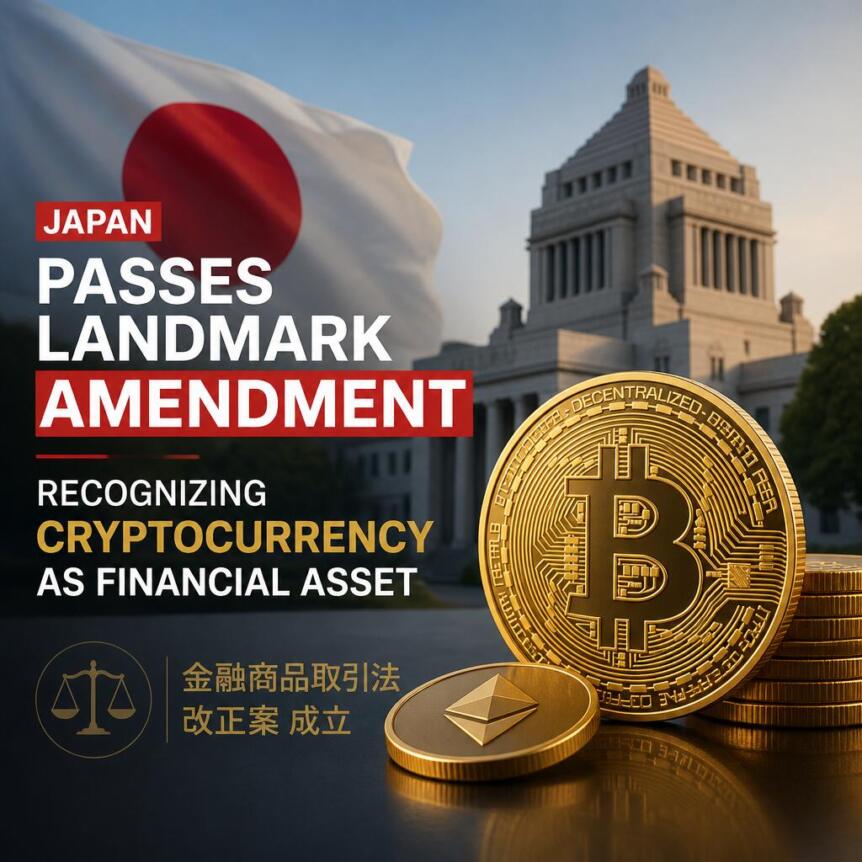
Japan has historically been at the forefront of embracing and regulating digital assets. Recently, its parliament passed a landmark amendment, fundamentally reclassifying cryptocurrencies from their previous designation under the Payment Services Act to recognizing them as legitimate financial assets. This pivotal shift signifies a maturing perspective on digital currencies, moving them beyond mere payment instruments into the realm of investment vehicles, akin to traditional stocks and bonds.
This reclassification is not merely a semantic change; it heralds a new era of robust regulatory oversight, enhanced investor protection, and a more defined legal framework for the burgeoning crypto ecosystem within Japan. For a digital forensic investigator and blockchain expert, this development carries profound implications, reshaping the landscape of compliance, investigation, and market integrity.
Enhanced Regulatory Framework and Investor Protection
The amendment subjects cryptocurrencies to a significantly stricter regulatory regime. This includes more rigorous insider trading rules, stronger oversight mechanisms, stringent disclosure requirements for operators, and harsher penalties for those operating without proper registration. This move aims to professionalize the crypto market, mitigate risks associated with speculative trading, and protect retail and institutional investors from fraudulent activities.
From a digital forensics and blockchain investigation perspective, these enhanced regulations are a double-edged sword. While they aim to curb illicit activities, they also create a clearer framework for what constitutes a violation. Stricter disclosure norms mean a greater volume of structured data, both on-chain and off-chain, that can be critical for investigations. For instance, any alleged market manipulation or unregistered operation will leave a more defined digital footprint across exchange records, communication platforms, and blockchain transactions. The demand for sophisticated blockchain forensic tools to trace asset movements, identify counterparties, and establish timelines will undoubtedly increase, as will the need for traditional digital forensics to analyze supporting evidence from corporate systems and personal devices. This regulatory clarity, while demanding, ultimately aids in the pursuit of justice by providing clearer definitions of illicit conduct in the digital asset space.
Tax Implications and Market Maturation
Perhaps one of the most anticipated changes for investors is the significant adjustment to the tax regime. The amendment lowers the tax rate on crypto investments from a high of 55% to a more competitive 20%. This, combined with the potential introduction of spot crypto Exchange-Traded Funds (ETFs) and provisions allowing investors to carry forward losses for up to three years, positions Japan's market to attract substantial institutional and retail capital.
This tax reform is a clear signal that Japan views cryptocurrencies as a legitimate investment class rather than a highly speculative niche. For experts in financial forensics and blockchain tax compliance, this brings both opportunities and challenges. A lower, clearer tax rate encourages legitimate investment and reporting, potentially reducing the incentive for tax evasion. However, it also necessitates more precise record-keeping and robust methodologies for calculating gains and losses, especially with complex DeFi (Decentralized Finance) interactions or multiple trading strategies. Digital forensic investigators will increasingly be called upon to verify the accuracy of reported crypto transactions for tax purposes, ensuring compliance and uncovering potential discrepancies. The ability to forensically link on-chain activity to off-chain financial records will become an indispensable skill in this evolving tax landscape.
Global Ripple Effects and Policy Gaps
Japan's decisive move has not gone unnoticed by the global crypto community. It reinforces the growing mainstream acceptance of cryptocurrencies as a legitimate investment class and sets a precedent that other nations, particularly those grappling with their own regulatory frameworks, might consider emulating. While some countries, like India, face a significant "policy gap" with higher tax rates and less favorable regulatory environments, Japan's approach demonstrates a balanced strategy: pairing stricter oversight with a more competitive tax framework to foster innovation and encourage capital formation.
This global trend underscores the critical need for international collaboration and expertise in digital forensics and blockchain investigations. As different jurisdictions adopt varying regulatory stances, cross-border investigations into illicit financial flows become increasingly complex. Understanding the nuances of each nation's legal and technical frameworks is paramount. Open-Source Intelligence (OSINT) plays a vital role here, allowing investigators to monitor these global regulatory shifts, anticipate their impact on illicit finance, and adapt investigative strategies accordingly. The more unified and clear global regulations become, the more effective international efforts against cybercrime and financial fraud in the digital asset space will be.
Japan's landmark amendment marks a significant step towards the comprehensive integration of cryptocurrencies into the global financial system. By classifying digital assets as financial assets, the nation is not only enhancing investor protection and fostering market maturity but also setting a powerful example for other economies. This evolution demands a sophisticated understanding of digital forensics, blockchain investigation, and the intricacies of regulatory compliance to ensure the integrity and security of the digital economy.
Need expert assistance with digital forensics, blockchain investigation, or OSINT? Agam Setyono provides professional consultation services. Get in touch for a confidential discussion.