Empowering Law Enforcement: The Critical Role of Advanced Cyber Forensics Training
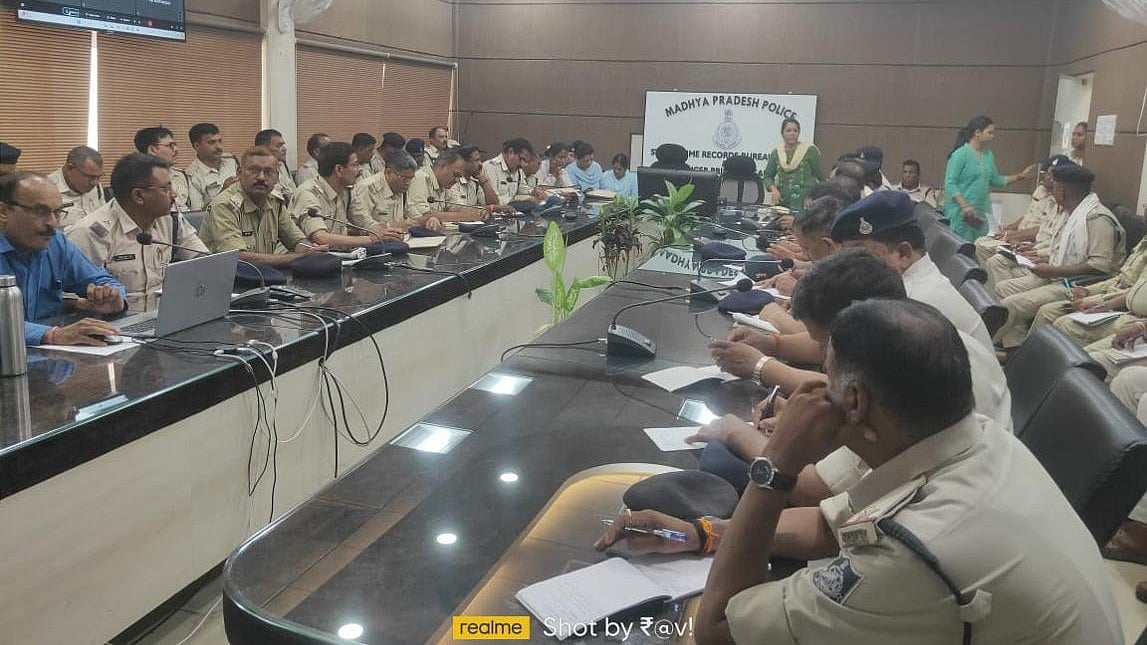
Cybercrime continues its relentless ascent, presenting an unprecedented challenge to law enforcement agencies worldwide. From sophisticated online scams to complex data breaches, the digital realm has become a fertile ground for illicit activities. In response, police forces are increasingly recognizing the imperative to equip their personnel with cutting-edge skills. A recent initiative by the Bhopal Police, launching a specialized technical training program for its officers, exemplifies this proactive approach, highlighting the critical need for expertise in areas like digital forensics, blockchain investigation, and Open-Source Intelligence (OSINT).
The Evolving Threat Landscape Demands Specialised Expertise
The sheer volume and complexity of cyber fraud cases are straining traditional investigative methods. Criminals exploit digital anonymity, cross-border jurisdictions, and rapidly evolving technologies, making detection and prosecution incredibly challenging. The Bhopal Police's decision to train 57 constables in emerging cybercrime trends and digital evidence analysis is a strategic move to address this gap. This initiative acknowledges that combating modern fraud requires more than conventional policing; it demands a deep understanding of the digital footprints left by perpetrators. The case of the "fake IAS officer" in the region, involving elaborate impersonation and a suspected wider network, underscores the intricate nature of these investigations, which often blend traditional criminal elements with sophisticated digital operations.
Mastering Digital Forensics: The Bedrock of Cyber Investigations
At the heart of any effective cybercrime response is robust digital forensics. The training program's focus on techniques for analysing digital evidence, understanding internet networks, servers, and IP addresses, and acquiring data from service providers is fundamental. As a digital forensic investigator, I consistently emphasize that every device connected to the internet, every online interaction, leaves a trace. Properly identifying, preserving, collecting, and analysing these digital artefacts – from email headers to system logs – is paramount. Without a meticulous forensic process, crucial evidence can be easily lost, corrupted, or deemed inadmissible in court. This specialized knowledge transforms raw data into actionable intelligence, allowing investigators to reconstruct events, identify perpetrators, and build compelling cases.
Leveraging OSINT for Comprehensive Intelligence Gathering
The program's inclusion of training on obtaining and analysing Call Detail Records (CDRs), tower locations, PSTN data, IP addresses, and URLs directly aligns with the principles of Open-Source Intelligence (OSINT). OSINT involves collecting and analysing publicly available information to generate actionable insights. In cybercrime investigations, this can mean piecing together a suspect's digital persona from social media profiles, correlating IP addresses with geographical locations, or mapping communication networks from CDRs. From an OSINT perspective, these seemingly disparate data points are invaluable. They allow investigators to understand criminal modus operandi, identify co-conspirators, and track movements, often leading to breakthroughs in cases where direct digital access might be limited. The ability to connect these dots through OSINT techniques is a force multiplier for law enforcement.
Staying Ahead of Emerging Cyber Threats: The Blockchain Frontier
While the Bhopal training primarily addresses current fraud methods, the broader challenge for law enforcement is to anticipate and prepare for future threats. This includes the rapidly growing landscape of blockchain-related cybercrime. As cryptocurrencies and decentralized finance (DeFi) become more prevalent, so too do scams, illicit transactions, and money laundering schemes leveraging these technologies. Investigating these crimes requires a specialized understanding of blockchain ledgers, transaction tracing, and cryptocurrency exchange analysis. Equipping officers with foundational digital forensic skills, as seen in Bhopal, lays the groundwork for understanding these complex new vectors, ensuring they can adapt to the evolving nature of digital criminality, including financial fraud that might involve tax evasion through crypto assets.
In conclusion, the initiative by the Bhopal Police is a commendable step towards building a more resilient and capable law enforcement response to cyber fraud. Continuous, specialized training in digital forensics, OSINT, and awareness of emerging technologies like blockchain are not just beneficial but absolutely essential for police forces globally to effectively protect citizens in the digital age.
Need expert assistance with digital forensics, blockchain investigation, or OSINT? Agam Setyono provides professional consultation services. Get in touch for a confidential discussion.