Combating Deepfakes: MACC's Advanced Digital Forensics Initiative and the Future of Evidence Integrity
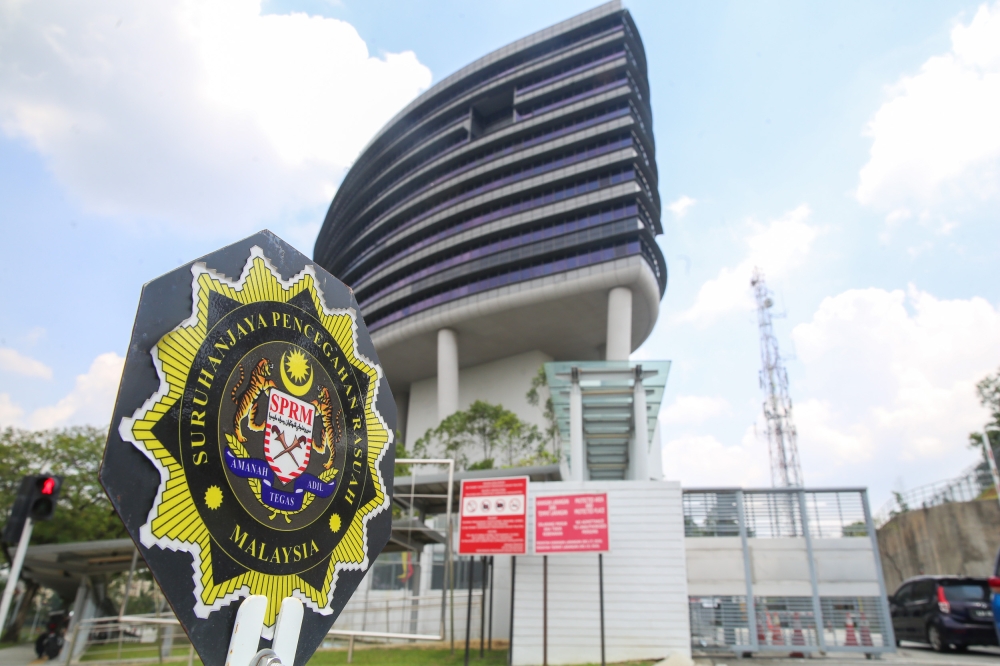
The rapid evolution of artificial intelligence and sophisticated digital manipulation techniques presents an unprecedented challenge to the integrity of digital evidence. From deepfakes to subtly altered audio and video, distinguishing genuine content from fabricated material has become a critical task for investigators worldwide. In this landscape, the Malaysian Anti-Corruption Commission (MACC) has taken a proactive and commendable step, significantly enhancing its digital forensics capabilities to counter these emerging threats.
The Escalating Threat of AI-Generated and Manipulated Evidence
The advent of AI-powered deepfake technology has blurred the lines between reality and fabrication, creating a perilous environment for legal and investigative processes. Manipulated images, audio, and video can be weaponized to create false narratives, discredit individuals, or even fabricate evidence in criminal proceedings. For digital forensic investigators, this means moving beyond traditional methods of data recovery and into highly specialized analysis to verify authenticity. The growing sophistication of these manipulations underscores the urgent need for agencies to invest in cutting-edge tools and continuous training. As an expert in digital forensics, I witness firsthand the increasing complexity of cases where the very foundation of digital evidence is called into question.
Advanced Forensic Methodologies for Unmasking Deception
To combat this evolving threat, the MACC's Technology Forensic Division (BFT) has undertaken advanced training, specifically focusing on internationally recognized techniques for digital evidence authentication. This includes mastering a range of visual forensic methodologies such as:
- Metadata Analysis: Examining the hidden data embedded within files to reveal their origin, history, and any signs of alteration.
- Camera Fingerprinting (PRNU Analysis): Utilizing Photo Response Non-Uniformity (PRNU) to identify the unique "noise pattern" left by a specific camera sensor, much like a fingerprint, to verify if an image originated from the claimed device.
- Image Editing Detection: Employing techniques like JPEG Quantization Analysis and shadow/reflection geometry to uncover inconsistencies indicative of digital alteration.
- Physical Consistency Assessment: Analyzing elements within an image or video for logical and physical inconsistencies that betray manipulation.
- Deepfake Detection Methods: Specialized algorithms and analytical frameworks designed to identify the tell-tale signs of AI-generated content, which often involve subtle artifacts or inconsistencies imperceptible to the human eye.
These advanced techniques are not merely supplementary; they are indispensable. They provide a scientifically robust framework to move beyond superficial analysis, ensuring that any conclusions drawn about digital evidence are defensible and accurate.
Upholding Evidential Standards and Expert Testimony
A cornerstone of any credible forensic investigation is adherence to international standards and the ability to present findings in a legally sound manner. The MACC's initiative emphasizes that analysis reports generated using these advanced techniques are internationally recognized and comply with the ISO/IEC 17025 standard for forensic laboratories. This commitment ensures that digital evidence presented in court is not only authentic but also reliable and scientifically verifiable.
For digital forensic experts, the ability to act as expert witnesses is paramount. This training equips MACC officers to articulate complex digital findings clearly and transparently, using scientifically sound and legally defensible methodologies in accordance with relevant evidence acts. This strengthens the integrity of investigation and prosecution processes, safeguarding the administration of justice against any attempts to manipulate evidence. My experience highlights that even the most compelling forensic findings are ineffective if they cannot be clearly communicated and defended in a legal setting.
Broader Implications for OSINT and Verification
The challenges addressed by the MACC extend beyond the courtroom, impacting fields like Open Source Intelligence (OSINT). In an era where information spreads rapidly across digital platforms, the ability to verify the authenticity of images, videos, and audio found in open sources is critical. OSINT professionals constantly encounter manipulated content designed to spread disinformation or influence public perception. The forensic methodologies employed by the MACC offer a vital framework for discerning truth from fabrication in the broader digital landscape, ensuring that intelligence gathering is based on verified, credible information.
The MACC's proactive investment in advanced digital forensics capabilities serves as a vital model for all organizations grappling with the complexities of digital evidence in the age of AI. It underscores a commitment to truth, justice, and maintaining the integrity of investigations in an increasingly sophisticated digital world.
Need expert assistance with digital forensics, blockchain investigation, or OSINT? Agam Setyono provides professional consultation services. Get in touch for a confidential discussion.