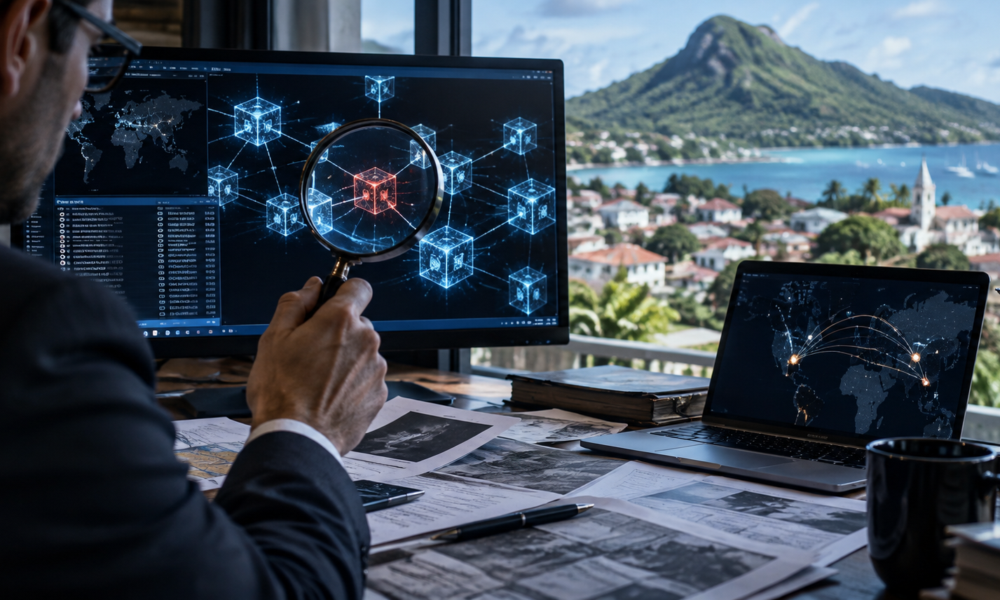
Beyond the Fog of War: Digital Forensics and OSINT in Civilian Casualty Assessments in Yemen

The landscape of modern conflict is increasingly complex, demanding not only strategic military action but also rigorous accountability, particularly concerning civilian harm. A recent assessment from the U.S. Pentagon has brought this into sharp focus, revealing that U.S. airstrikes targeting Houthi rebels in Yemen last year resulted in significant civilian casualties. This acknowledgment underscores the critical need for transparent, data-driven investigation in assessing the true impact of military operations.
The Imperative of Accountability in Modern Conflict
The Pentagon's unclassified review, submitted to Congress, indicates that three specific airstrikes conducted in April 2025 led to 153 civilian fatalities and 243 injuries. These strikes were part of a campaign to counter Houthi attacks on commercial shipping in the vital Red Sea trade route. Targets included locations in or near Yemen's rebel-held capital, Sanaa, and the strategic Ras Isa port, where a single strike alone accounted for 80 deaths and 171 injuries. While U.S. Central Command stated these actions were intended to disrupt Houthi illicit revenue streams and operations, the tragic reality of civilian harm demands a meticulous examination of how such incidents are identified, verified, and learned from.
In an era where information spreads instantly and narratives can be easily manipulated, the role of independent and verifiable evidence is paramount. This is precisely where the disciplines of Open-Source Intelligence (OSINT) and Digital Forensics become indispensable tools for achieving clarity amidst the chaos of conflict.
Open-Source Intelligence: Uncovering and Corroborating Truth
The Pentagon's review itself leveraged "open-source reporting" alongside intelligence sources and imagery. This highlights the indispensable role of OSINT in modern investigations. For a digital forensic investigator, OSINT isn't merely browsing the internet; it's a systematic and ethical methodology for collecting, analyzing, and verifying publicly available information to generate actionable intelligence.
In the context of civilian casualty assessments, OSINT practitioners can:
- Geolocate and Authenticate Visual Media: Footage, such as that aired by Al Masirah TV showing the aftermath of the Ras Isa port strike, can be analyzed using advanced techniques to verify its origin, timestamp, and location. This involves cross-referencing satellite imagery, mapping data, and metadata analysis of digital files.
- Monitor Social Media and Local Reporting: Real-time accounts, eyewitness testimonies, and local news reports from affected areas provide crucial initial indicators of incidents, often before official channels acknowledge them.
- Analyze Satellite Imagery: Commercially available high-resolution satellite imagery can provide independent verification of damage, destruction, and potential casualty zones, corroborating or challenging official statements.
- Track Illicit Financial Flows (Indirectly): While the source mentions "illegal revenue" funding Houthi efforts, OSINT, combined with blockchain investigation techniques, can sometimes identify patterns in financial transactions, particularly if cryptocurrency or other traceable digital assets are involved, providing insights into the economic underpinnings of conflict.
OSINT provides an invaluable layer of transparency, allowing for independent verification and contributing to a more comprehensive understanding of events that might otherwise remain obscured.
Digital Forensics: Reconstructing Events from Digital Artifacts
Beyond open-source data, digital forensics offers a deeper dive into the digital footprint of an incident. This discipline involves the meticulous collection, preservation, and analysis of electronic data to reconstruct events and establish facts. In the context of military operations and civilian casualties, digital forensics can examine:
- Operational Logs and Sensor Data: Data from drones, aircraft, and surveillance systems can reveal flight paths, targeting parameters, weapon deployment, and real-time intelligence feeds.
- Communication Records: Encrypted communications, internal memos, and command directives can shed light on decision-making processes, intent, and adherence to rules of engagement.
- Device Forensics: Analysis of recovered electronic devices from a scene, if available, could provide additional context, though this is less common in direct military strike assessments.
The Pentagon's determination that the strikes "more likely than not" resulted in civilian harm suggests an internal forensic process, likely involving the analysis of such digital artifacts to evaluate the probability of unintended consequences. A robust digital forensic investigation aims to move beyond probabilities to establish a clear chain of events and identify contributing factors, fostering accountability and informing future operational protocols.
Navigating the Path to Accountability
The acknowledgment of civilian casualties, while a difficult truth, is a necessary step towards accountability and learning. As digital forensic and OSINT experts, we understand that every piece of data, whether a satellite image or a system log, holds potential clues to understanding complex events. By rigorously applying these investigative methodologies, we can contribute to a more accurate and transparent understanding of conflict's human cost, holding actors accountable and advocating for greater protection of non-combatants.
Need expert assistance with digital forensics, blockchain investigation, or OSINT? Agam Setyono provides professional consultation services. Get in touch for a confidential discussion.