AI's Precision in Gene Editing: Securing Agricultural Innovation with Digital Forensics
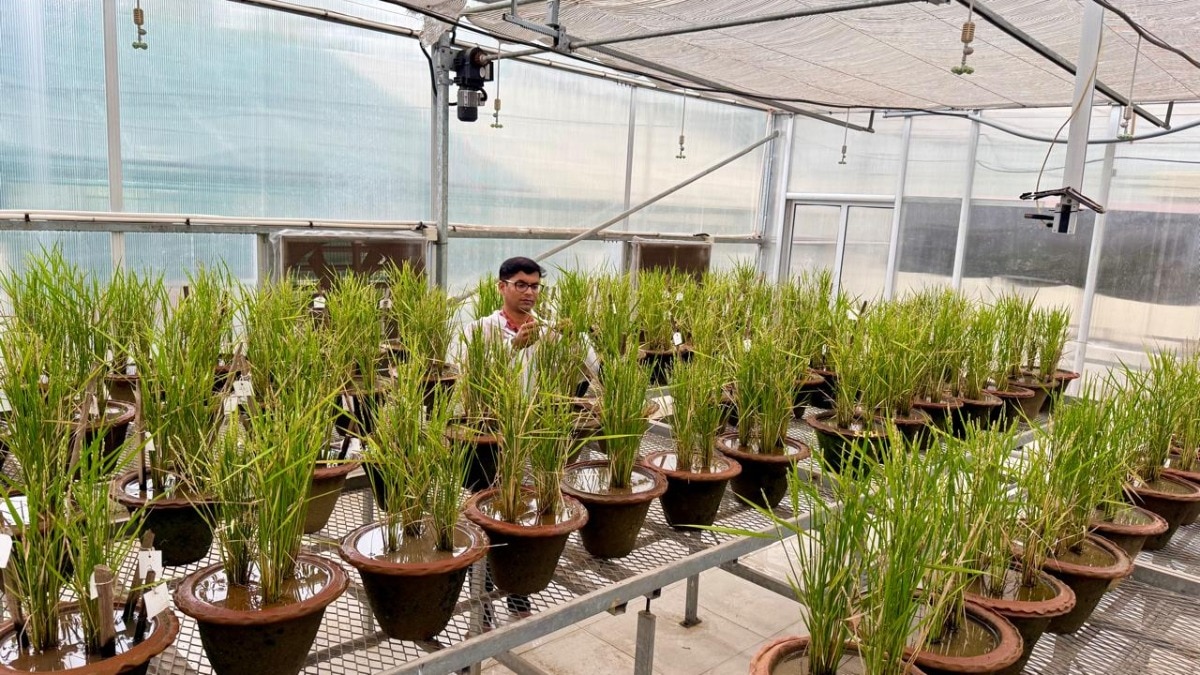
The convergence of artificial intelligence and biotechnology is rapidly redefining the landscape of scientific discovery. In a significant stride, Indian scientists at ICAR-NRRI, Cuttack, have demonstrated a groundbreaking application: an AI-designed enzyme, OpenCRISPR-1, capable of precisely editing rice DNA. This innovation not only mirrors the efficacy of the renowned CRISPR-Cas9 system across various editing techniques but also introduces an open-source platform, POC1, poised to reshape agricultural self-reliance and climate resilience.
The Dawn of AI-Driven Gene Editing
For decades, the promise of genetic engineering has held the key to addressing some of humanity's most pressing challenges, particularly in food security and environmental adaptation. The development of OpenCRISPR-1 marks a pivotal moment. This AI-designed enzyme has proven its capability in targeted DNA modification within rice, matching the precision and versatility of the established CRISPR-Cas9 system in knockout, base editing, and prime editing. Such advancements allow for the meticulous alteration of genetic traits, opening doors to developing crop varieties that are more resilient to pests, diseases, and the vagaries of climate change.
The Strategic Advantage of Open Source: POC1
What truly distinguishes this Indian breakthrough is its commitment to an open-source model through the POC1 platform. Traditional gene-editing technologies often come burdened with complex patent landscapes, which can stifle innovation and limit accessibility, especially for developing nations. By offering an open-source alternative, POC1 significantly reduces these barriers. This approach fosters collaborative research, accelerates the dissemination of critical biotechnological tools, and democratizes access to advanced genetic engineering capabilities. For nations striving for agricultural self-reliance, this paradigm shift can be transformative, empowering local scientists and farmers to adapt and thrive.
Cultivating Climate Resilience and Food Security
The primary objective behind such genetic advancements in agriculture is to fortify food systems against future uncertainties. As global climate patterns become increasingly unpredictable, the ability to rapidly develop crops that can withstand extreme weather, resist novel pathogens, and thrive in diverse environmental conditions is paramount. OpenCRISPR-1 offers a powerful tool in this arsenal, accelerating the development of high-yield, nutritious, and sustainable rice varieties crucial for feeding a growing global population. This innovation is a direct investment in the future of food security and ecological stability.
The Digital Imperative: Forensics, Blockchain, and OSINT in Biotech
While the biological implications of OpenCRISPR-1 are profound, its digital underpinnings and broader ecosystem demand equally rigorous attention from a digital forensics and blockchain perspective.
Digital Forensics: Safeguarding Scientific Integrity
The integrity of genetic data, AI algorithms, and research outcomes is non-negotiable. Digital forensics plays a critical role in ensuring that the OpenCRISPR-1 enzyme designs, experimental protocols, and results generated through the POC1 platform are secure from tampering, intellectual property theft, or unauthorized modification. Verifying the authenticity of digital evidence, tracing data provenance, and securing the computational infrastructure that houses these AI models and genetic sequences are vital to maintaining scientific credibility and preventing malicious interference.
Blockchain Investigation: Ensuring Traceability and Trust
The open-source nature of POC1, combined with the development of genetically enhanced crops, introduces complex supply chain considerations. Blockchain technology offers an immutable ledger for tracking the entire lifecycle of these innovations. From recording the specific genetic modifications applied to seeds, through cultivation practices, to their distribution and market entry, blockchain can provide transparent and verifiable proof of origin and integrity. This is crucial for consumer confidence, regulatory compliance, and managing intellectual property rights within an open-source framework, ensuring proper attribution and licensing adherence.
OSINT: Navigating the Global Biotech Landscape
Open-Source Intelligence (OSINT) becomes an invaluable tool for monitoring global developments in gene editing, identifying emerging threats or opportunities, and understanding the regulatory and ethical landscapes surrounding new biotechnologies. For an initiative like POC1, OSINT can help track adoption rates, identify potential collaborators, and proactively address any misinformation or security vulnerabilities related to the platform or its applications.
Conclusion
The AI-designed OpenCRISPR-1 enzyme represents a monumental leap in agricultural biotechnology, promising a future of enhanced food security and climate resilience, particularly for nations like India. Yet, as with all transformative technologies, its success is not solely dependent on its biological efficacy. The digital infrastructure supporting its development, deployment, and impact—its security, integrity, and traceability—is equally critical. The intersection of advanced biotechnology with robust digital forensics, blockchain, and OSINT capabilities is essential to harness this potential responsibly and securely.
Need expert assistance with digital forensics, blockchain investigation, or OSINT? Agam Setyono provides professional consultation services. Get in touch for a confidential discussion.